

Imagine stepping outside on a sunny day and feeling like the light is physically stabbing your eyes. For most of us, a bright afternoon is just a reason to put on sunglasses. But for people dealing with photophobia is an abnormal intolerance to visual perception of light. It isn't a "phobia" in the way we think of fear of spiders or heights; it is a physiological symptom that tells your body something is wrong. Roughly 35% of people experience this at some point, and it can range from a mild annoyance to a debilitating condition that makes it impossible to work under standard office lights.
The real danger isn't the light itself, but what the sensitivity is trying to tell you. Because photophobia is a symptom and not a standalone disease, ignoring it can mean missing a critical warning sign for neurological issues or serious eye inflammation. Whether it's a sudden onset or a lifelong struggle, the goal isn't just to "block the light," but to find the root cause and stop the trigger.
What Exactly is Happening in Your Eyes?
When you have normal vision, your pupils constrict in bright light to protect your retina. In people with photophobia, this process often glitches. Research from Harvard Medical School shows that affected individuals may have a pupillary response threshold as low as 0.5 to 2.0 lux, whereas a healthy eye doesn't react until it hits 5 to 10 lux. Essentially, your eyes are over-reacting to light that others find comfortable.
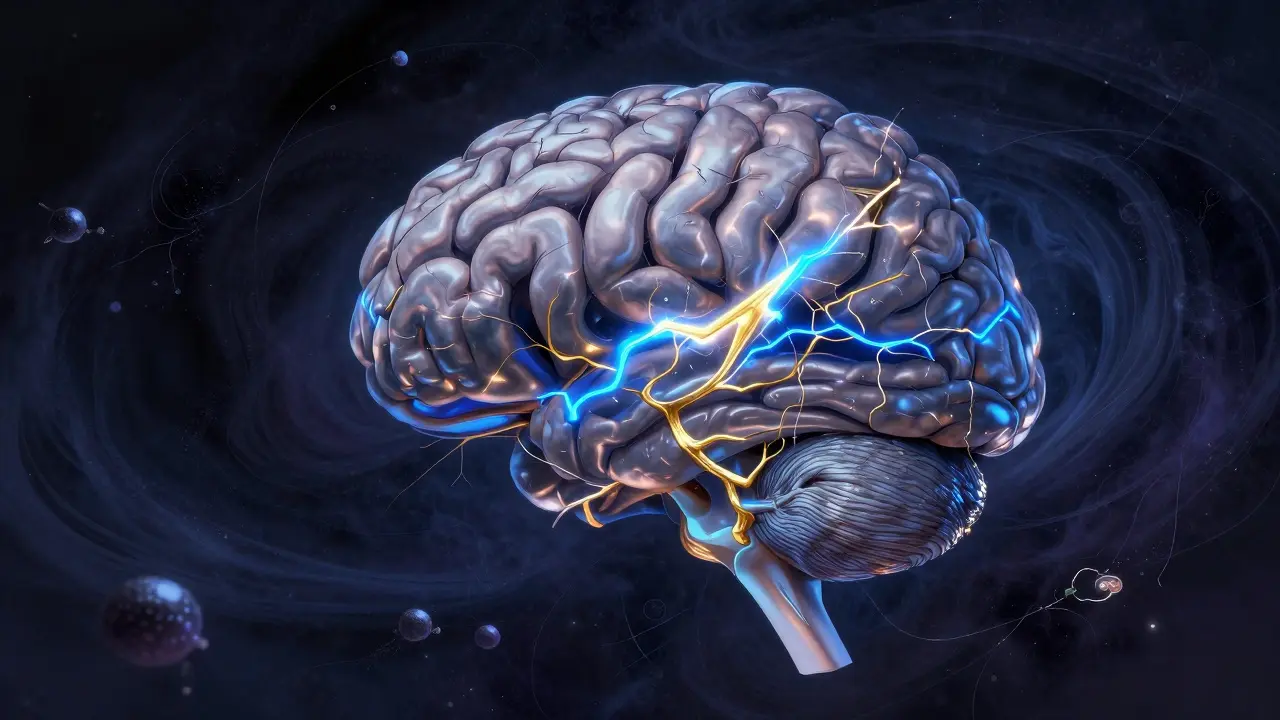
It's not just about the eyes, though. This sensitivity often involves the trigeminal nerve pathways. In some cases, like with migraines, the brain's thalamus-which acts as a relay station for sensory information-shows over 3 times the neural activation when exposed to standard 500-lux office lighting compared to people without the condition. This is why a flickering fluorescent bulb can feel like a siren going off in your head.
The Three Main Causes of Light Sensitivity
Medical professionals generally group the causes of photophobia into three buckets. Understanding which one you fall into is the only way to get a treatment that actually works.
- Eye-Related Conditions (45% of cases): This includes things like uveitis, which is inflammation of the eye's middle layer. In fact, about 92% of people with uveitis report light sensitivity before any other symptoms show up. Other causes include corneal abrasions, cataracts, or severe dry eye.
- Neurological Conditions (40% of cases): The most common culprit here is the migraine. Around 76-80% of migraine sufferers experience photophobia during an attack. However, it can also be a sign of meningitis or concussions.
- Medication and Systemic Issues (15% of cases): Certain drugs can make your eyes more sensitive. Additionally, autoimmune disorders like lupus are responsible for nearly half of the non-ocular cases of photophobia.
| Severity Level | Prevalence | Common Triggers | Daily Impact |
|---|---|---|---|
| Mild | 48% | Direct sunlight, bright beach days | Minimal; solved with standard sunglasses |
| Moderate | 37% | Fluorescent office lights, LED screens | Requires tinted lenses indoors |
| Severe | 15% | Low-light environments (50 lux) | High disability; significant work productivity loss |
Effective Solutions: From Quick Fixes to Medical Treatment
If you're struggling, don't just buy any "blue light" glasses you find on Amazon. Many of these don't target the specific wavelengths that cause pain. Instead, look for a tiered approach to relief.
Immediate Relief (Phase 1)
Start by controlling your environment. If you're at home, dim your lights to between 100-200 lux. Use 100% UV-blocking sunglasses when outdoors. While this doesn't cure the problem, it prevents further strain and reduces the immediate pain associated with light spikes.
Specialized Optical Solutions (Phase 2)
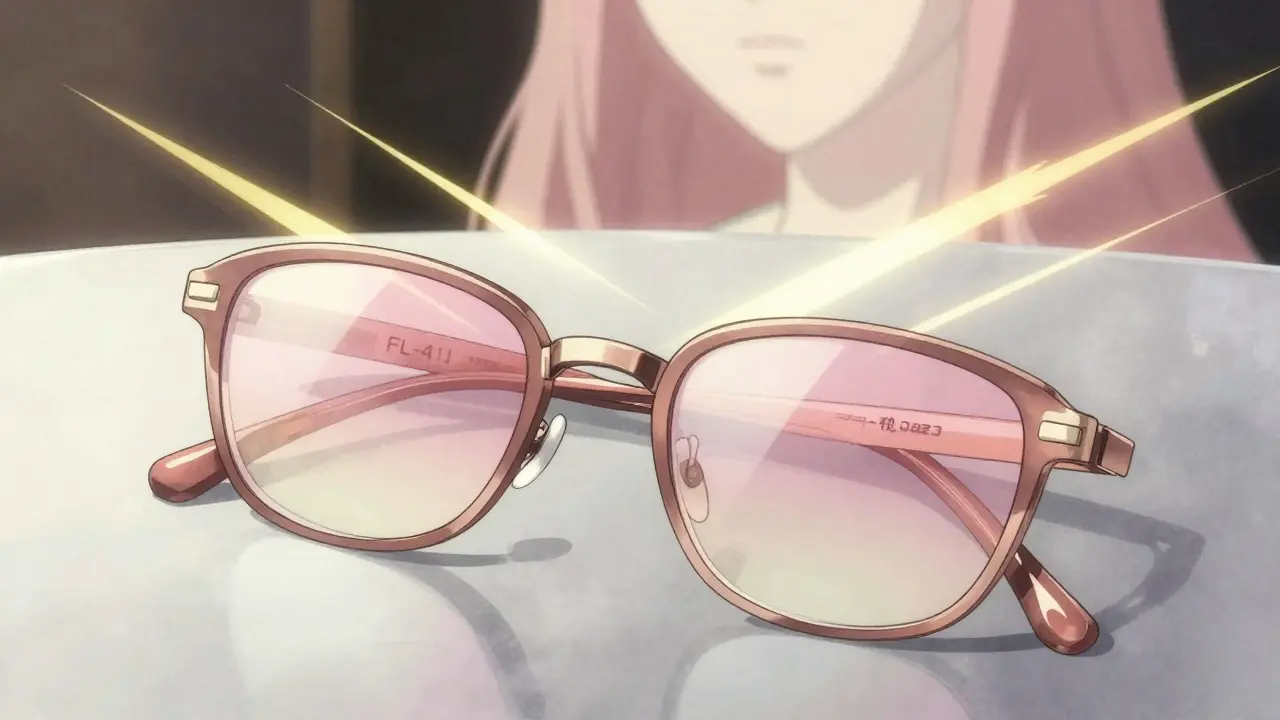
For those with migraine-related sensitivity, FL-41 tinted lenses are the gold standard. These aren't just colored glass; they specifically filter out blue-green light wavelengths (500-550nm). Clinical trials show these can reduce symptoms by about 43% because they actually reduce cortical spreading depression in the brain. Note that there is a learning curve-about 68% of users notice some color distortion for the first 2-3 weeks before their brain adapts.
Medical Intervention (Phase 3)
If the sensitivity is caused by an underlying disease, you need medical treatment. This might involve CGRP inhibitors for chronic migraines or anti-inflammatory drops for uveitis. Relying solely on sunglasses can be dangerous; about 22% of people miss a diagnosis of a treatable autoimmune disorder because they just "hid" from the light instead of seeing a doctor.
Pitfalls to Avoid and Pro Tips
One of the biggest mistakes people make is using generic blue-light blockers. If your lenses don't target the critical 480nm wavelength, they might not do anything for your pain. Always consult an optometrist specifically about the "FL-41" tint if you have neurological triggers.
Another risk is "diagnostic overshadowing." This happens when a doctor dismisses your light sensitivity as "just a migraine" when it's actually something more serious, like meningitis or an ocular infection. If your light sensitivity comes on suddenly and is accompanied by a stiff neck or severe eye pain, get to an emergency room immediately. In about 12% of ER cases, photophobia is the first warning sign of a critical medical event.
Also, be mindful of your Vitamin D levels. People with severe photophobia often avoid the sun entirely, which leads to a 27% higher incidence of Vitamin D deficiency. If you spend your days in a dimmed room, talk to your doctor about supplements to keep your bone health and mood stable.
Is photophobia a mental health condition?
No. Despite the name, it is not a psychological phobia or a fear of light. It is a physical sensitivity where the eyes or the brain react abnormally to light stimuli. It is a symptom of a physical condition, not a mental health disorder.
Can blue-light blocking glasses help with photophobia?
Generic blue-light glasses are often insufficient. For true photophobia, especially migraine-related, FL-41 tinted lenses are significantly more effective because they filter a specific range of blue-green light (500-550nm) that triggers neural sensitivity.
When should I be worried about light sensitivity?
You should seek immediate medical attention if photophobia appears suddenly, is accompanied by a severe headache, stiff neck, fever, or if you notice redness and pain in one or both eyes. These can be signs of meningitis or uveitis.
Does photophobia affect everyone the same way?
No. It varies by severity. Mild cases only trigger in direct sunlight. Moderate cases require sunglasses indoors under fluorescent light. Severe cases can cause pain even in very dim environments (around 50 lux).
How do I measure how severe my light sensitivity is?
Doctors often use the Photophobia Severity Scale (PSS-10). This is a 10-item questionnaire that scores from 0 to 40. A score above 25 generally indicates severe disability and a significant impact on daily life.
Next Steps for Relief
If you're feeling overwhelmed by the light, start by keeping a symptom journal. Note when the sensitivity happens-is it only during a headache, or is it constant? Do flickering lights trigger it more than steady ones? This data is invaluable for your doctor.
Schedule a comprehensive eye exam. Don't just ask for a prescription; ask your ophthalmologist to check for signs of inflammation or pupillary abnormalities. If your eyes are healthy, your next stop should be a neurologist to explore migraine management or other nerve-related triggers. Depending on your insurance, a full workup can cost between $300 and $1,200, but it's the only way to move from "managing the pain" to actually treating the cause.