
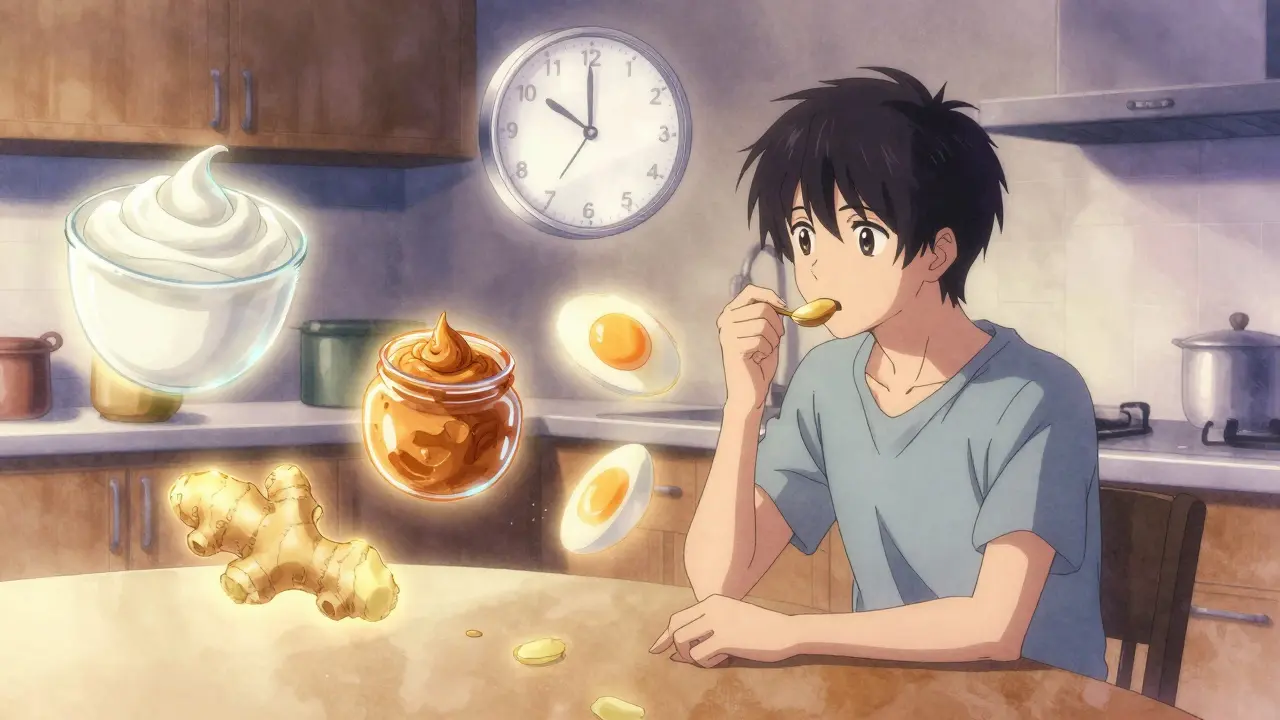
When you're going through chemotherapy, your body isn't just fighting cancer-it's also fighting nausea, loss of appetite, and rapid weight loss. It’s not about eating healthy in the usual sense anymore. It’s about eating enough to keep your strength up, avoid treatment delays, and survive the side effects. Many patients think they should eat light or skip meals when they feel sick. That’s the wrong move. The goal isn’t to lose weight-it’s to hold onto every pound you can.
Why Eating More Is Critical During Chemotherapy
Chemotherapy doesn’t just kill cancer cells. It hits your gut, your taste buds, and your metabolism hard. Studies show that 60 to 85% of people on chemo develop nutritional problems. That’s not rare-it’s expected. If you don’t get enough calories and protein, your body starts breaking down muscle just to stay alive. That weakens your immune system, makes fatigue worse, and can even cause your treatment to be paused or reduced. That’s not hypothetical. In clinical trials, patients who lost weight during chemo had treatment delays 14 to 21 days longer than those who maintained their weight.
The standard advice for healthy people-eat less sugar, cut fat, go low-carb-doesn’t apply here. Your body needs more energy, not less. Experts recommend 25 to 30 calories per kilogram of body weight each day. For someone weighing 70 kg (about 154 lbs), that’s 1,750 to 2,100 calories daily. That’s 20-30% more than what most healthy adults need. Protein? Aim for 1.2 to 2.0 grams per kilogram of body weight. That’s nearly double the normal recommendation. For the same 70 kg person, that’s 84 to 140 grams of protein a day. You’re not trying to build muscle-you’re trying to stop your body from eating itself.
Beating Nausea: What to Eat and What to Avoid
Nausea is the number one reason people stop eating during chemo. But the foods that make nausea worse are often the ones we think of as comforting-fried chicken, greasy pizza, heavy cream sauces. Research from the Academy of Nutrition and Dietetics shows that 73% of patients feel worse after eating fatty foods. Strong smells trigger nausea in 68% of people. So if your favorite dish smells like garlic or onions, put it away until you’re feeling better.
Instead, go for cold or room-temperature foods. They give off less odor. Try chilled yogurt, apple slices, cottage cheese, or watermelon. Ginger helps. Real ginger-chewed as a candy, brewed as tea, or taken in capsule form-reduces nausea in many patients. One study found that 287 people on a cancer support forum specifically credited ginger chews for helping them keep food down.
Drink fluids between meals, not with them. Sipping water or broth while eating fills your stomach too fast and makes nausea worse. Use a straw if it helps. Sip slowly. Avoid carbonated drinks if they bloat you. Herbal teas like peppermint or chamomile can soothe your stomach without triggering nausea.
Also, ditch the metal utensils. Many patients report a metallic taste during treatment. Plastic spoons and forks help. Rinse your mouth with a mix of baking soda and water before meals to clear the taste. Keep snacks like crackers, pretzels, or toast within reach at all times. Eat a few before you get out of bed in the morning, even if you’re not hungry. Getting something in your stomach early can prevent nausea from taking over.
Small Meals, All Day Long
Three big meals a day? Forget it. You’re not going to handle that. Instead, eat five to six small meals every 2 to 3 hours. Each meal should have 300 to 400 calories and at least 20 to 30 grams of protein. That’s not easy to do without planning. So prepare ahead.
Here’s what works for real people:
- Breakfast: Greek yogurt with peanut butter and honey (25g protein, 320 calories)
- Mid-morning: Hard-boiled eggs and a banana (12g protein, 200 calories)
- Lunch: Turkey and cheese roll-ups with mashed potatoes (28g protein, 380 calories)
- Afternoon: Smoothie made with full-fat milk, banana, protein powder, and a tablespoon of almond butter (22g protein, 410 calories)
- Dinner: Scrambled eggs with cheese and white rice (25g protein, 350 calories)
- Before bed: Cottage cheese with a spoonful of jam (14g protein, 180 calories)
This adds up to about 2,000 calories and 126 grams of protein-right in the target range. You don’t need fancy supplements. Real food works better. If you can’t eat solid food, make high-calorie shakes. Blend full-fat Greek yogurt, whole milk, peanut butter, honey, and a scoop of whey protein. Freeze it into popsicles if you can’t drink it warm.

Protein Is Non-Negotiable
Protein isn’t just for bodybuilders. It’s your lifeline during chemo. Your muscles are breaking down. Your immune system needs it to fight infection. Your skin and gut lining need it to heal. If you’re not hitting at least 1.2 grams per kilogram of body weight, you’re losing ground.
Good protein sources that are easy to tolerate:
- Eggs (scrambled, poached, or in omelets)
- Cottage cheese and ricotta
- Chicken, turkey, or fish (baked or steamed, not fried)
- Peanut butter and other nut butters
- Protein powders (whey, casein, or plant-based if dairy upsets you)
- Milk, yogurt, and cheese
- Beans and lentils (if you can digest them)
Many patients swear by homemade protein shakes. One Reddit user shared: “I make mine with whole milk, 2 scoops of vanilla whey, 2 tablespoons of peanut butter, and a frozen banana. I drink it slow, like a milkshake. It’s the only thing I can keep down on bad days.”
Don’t wait until you’re starving to eat. Set a timer. Every two hours, eat something-even if it’s just a handful of nuts or a spoonful of yogurt. Your body doesn’t know the difference between breakfast and lunch. It just needs fuel.
Food Safety Matters More Than Ever
Chemotherapy weakens your immune system. That means you’re at risk for foodborne illness. A simple case of food poisoning can land you in the hospital and delay your treatment.
Follow these rules:
- Never eat raw or undercooked meat, fish, or eggs. Yolks must reach 160°F (71°C).
- Avoid deli meats unless they’re reheated until steaming hot.
- Don’t eat raw sprouts, unpasteurized cheese, or raw honey.
- Wash all produce-even if you’re peeling it.
- Throw away leftovers after 2 days.
- Never eat homemade mayonnaise, Caesar dressing, or cookie dough with raw eggs.
When in doubt, cook it longer. Heat kills bacteria. When you’re immunocompromised, you can’t afford to take chances.
What About Weight Gain?
Some people gain weight during chemo-not from overeating, but from fluid retention, steroids, or reduced activity. That’s okay. The goal isn’t to be thin. It’s to stay strong. If you’re losing weight, even if you’re overweight, you need to gain it back. Muscle loss is dangerous. Fat is better than muscle loss. Don’t worry about your waistline right now. Worry about your strength.
Doctors at the American Institute for Cancer Research say: “The priority shifts from long-term cancer prevention to immediate survival.” That means no more low-fat diets. No more sugar bans. Use full-fat dairy. Add olive oil to everything. Put butter on your toast. Eat the skin on your chicken. These aren’t indulgences-they’re medicine.
Real Solutions from Real Patients
People have found clever ways to cope:
- Freeze grapes-they soothe mouth sores and give you something cold to suck on.
- Keep snacks visible-put trail mix, cheese sticks, and granola bars on the counter, in your purse, by the bed. Out of sight = out of mind.
- Use plastic utensils-they reduce metallic taste.
- Try nutritional supplements-Ensure Plus, Boost, or Glucerna can help if you can’t eat enough. But they’re expensive ($35-$45 for a 12-pack). Many patients make their own versions with whole foods to save money.
- Track your intake-use a notebook or phone app to log calories and protein. If you’re not hitting your numbers, you’re at risk.
One patient on CancerCare wrote: “I didn’t realize how much I was losing until I started writing down what I ate. I was down 12 pounds in 3 weeks. I started eating peanut butter on everything. Now I’m stable. It’s not glamorous, but it works.”
When You Can’t Eat Enough
Some people just can’t get enough calories or protein by mouth. That’s when nutrition support becomes necessary. If you’ve lost more than 5% of your body weight in a month, or if you’re vomiting constantly, or if you have mouth sores so bad you can’t swallow-talk to your care team. There are options:
- Oral nutrition supplements (like Ensure Plus)
- Tube feeding (if your gut works but you can’t eat)
- IV nutrition (if your gut can’t handle food at all)
These aren’t last resorts-they’re standard care. About 15-20% of chemo patients need them. And studies show they reduce treatment delays by 31% and improve survival rates by 8-12% for certain cancers.
Get Help Before It’s Too Late
Only 35% of community oncology practices have a registered dietitian who specializes in cancer nutrition. That’s a huge gap. But you don’t have to wait. Call the American Cancer Society at 1-800-227-2345. They offer free nutrition counseling, meal planning, and even help finding local resources. Their ‘Road to Recovery’ program connected over 8,700 patients with nutrition support in 2023 alone.
There’s also a free app from the National Cancer Institute called “Nutrition During Treatment.” It’s been downloaded over 42,000 times. It helps you track calories, protein, nausea triggers, and even suggests recipes based on what you can tolerate.
This isn’t about willpower. It’s about strategy. You’re not failing if you can’t eat like you used to. You’re surviving. And the right food-eaten the right way-can be the difference between finishing treatment on schedule and having to stop.
Should I eat less if I feel nauseous during chemotherapy?
No. Eating less makes nausea worse because an empty stomach triggers more vomiting. Instead, eat small, frequent meals every 2 to 3 hours-even if you’re not hungry. Choose bland, cold foods like crackers, yogurt, or applesauce. Ginger and peppermint can help settle your stomach. The key is to keep something in your stomach at all times.
Is it safe to drink protein shakes during chemotherapy?
Yes, protein shakes are not only safe-they’re often essential. Homemade shakes with full-fat Greek yogurt, peanut butter, honey, and whey protein are more effective and cheaper than store-bought ones. Just make sure all ingredients are pasteurized and fresh. Avoid raw eggs or unpasteurized milk. If you have mouth sores, blend them smooth and drink through a straw.
How much protein do I really need during chemo?
You need 1.2 to 2.0 grams of protein per kilogram of body weight daily. For a 150-pound person, that’s 82 to 136 grams per day. Most healthy adults only need 0.8 grams per kilogram. During chemo, your body is under stress and needs extra protein to repair tissue, support immunity, and prevent muscle loss. Track your intake with a food log or app.
Can I eat raw fruits and vegetables during chemotherapy?
Wash them thoroughly, but avoid raw sprouts, unpasteurized juices, and unpeeled produce if your immune system is low. Peel fruits and vegetables when possible. Cook vegetables until soft to make them easier to digest. If you have mouth sores or diarrhea, stick to cooked or canned options like applesauce, mashed potatoes, or canned peaches.
What if I can’t afford expensive nutritional supplements?
You don’t need expensive shakes. Use whole foods: full-fat milk, peanut butter, eggs, cheese, yogurt, nuts, and honey. Blend them into smoothies. Add olive oil or butter to meals to boost calories. Many patients make their own high-calorie snacks for under $1 per serving. The American Cancer Society also offers free nutrition resources and can help you find local food assistance programs.
Will eating more make me gain fat instead of muscle?
During chemotherapy, your body isn’t building muscle-it’s trying to survive. Fat is better than muscle loss. Losing weight during treatment increases your risk of infection, delays your care, and lowers your chances of recovery. Focus on calories and protein, not body shape. Gaining a few pounds of fat is far safer than losing muscle. Your priority is finishing treatment, not looking a certain way.
Janette Martens
December 28, 2025 AT 12:30Marie-Pierre Gonzalez
December 29, 2025 AT 20:21Louis Paré
December 30, 2025 AT 06:49Payton Daily
December 30, 2025 AT 14:25Kelsey Youmans
December 31, 2025 AT 14:34Debra Cagwin
January 2, 2026 AT 04:42Ryan Touhill
January 2, 2026 AT 09:33Teresa Marzo Lostalé
January 3, 2026 AT 02:53