

Ever wonder why some drugs have names like omeprazole, albuterol, or adalimumab? These aren’t random. They’re part of a hidden system that keeps millions of patients safe every day. Behind every generic drug name is a strict, science-backed process designed to avoid confusion, prevent errors, and make sure doctors and pharmacists know exactly what they’re prescribing - no matter where they are in the world.
What Are USAN and INN?
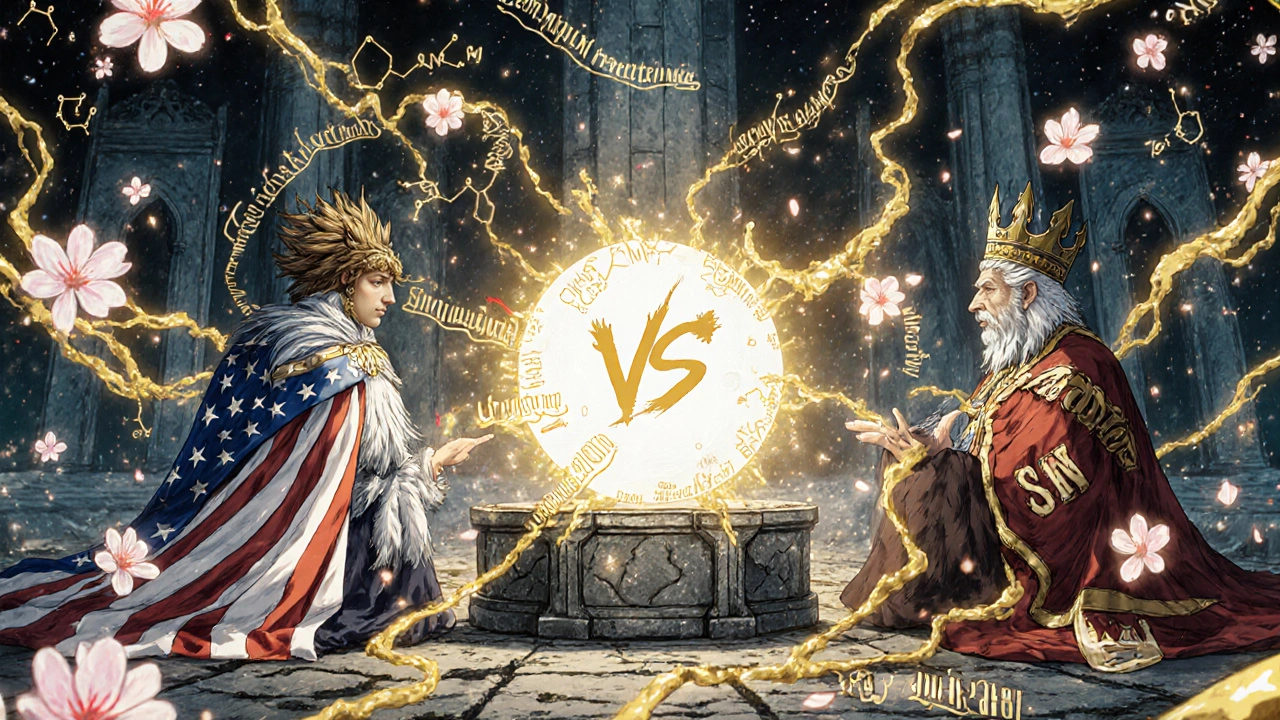
Two major systems govern how drugs get their generic names: the United States Adopted Names (USAN) and the International Nonproprietary Names (INN). USAN is used in the United States. INN is used everywhere else. Both are managed by independent groups that work closely together - but they don’t always agree.
USAN has been around since 1964. It’s run by a council made up of the American Medical Association, the U.S. Pharmacopeia, and the American Pharmacists Association. INN, managed by the World Health Organization since 1950, is the global standard. Over 95% of the time, USAN and INN names match. But not always.
Here’s where it gets tricky:
- Acetaminophen (USAN) = Paracetamol (INN)
- Albuterol (USAN) = Salbutamol (INN)
- Rifampin (USAN) = Rifampicin (INN)
These aren’t typos. They’re intentional differences. In the U.S., doctors and patients are used to one term. In Europe or Asia, they use another. The result? A patient traveling abroad might be handed a prescription for “salbutamol” and not realize it’s the same as their “albuterol” inhaler. That’s not just confusing - it’s dangerous.
How the Naming System Works: Stems and Prefixes
Drug names aren’t made up like brand names. They follow a strict formula. Every generic name has two parts: a prefix and a stem.
The stem tells you what the drug does. It’s the key to unlocking its purpose. For example:
- -prazole = proton pump inhibitors (omeprazole, pantoprazole)
- -statin = cholesterol-lowering drugs (atorvastatin, rosuvastatin)
- -mab = monoclonal antibodies (adalimumab, rituximab)
- -virdine = HIV antivirals (zidovudine, lamivudine)
Even within the “-mab” group, more detail is built in:
- -ximab = chimeric antibodies (rituximab)
- -zumab = humanized antibodies (adalimumab)
- -tumab = fully human antibodies (panitumumab)
That means a doctor can look at a name and instantly know the drug class - even if they’ve never seen it before. That’s a lifesaver in emergencies.
The prefix is the “brandable” part. It’s made to sound unique, not meaningful. “Ome-” in omeprazole? No real meaning. “Adali-” in adalimumab? Just a sound that fits the stem. These prefixes are chosen to avoid sounding like other drugs or trademarks. A bad prefix could cause a mix-up with another medication - and that’s exactly what the system is built to prevent.
How a Drug Gets Its Name: The Long Road from Lab to Label
It doesn’t start with a marketing team. It starts with a scientist in a lab, filing paperwork during early clinical trials. The drug company submits up to six name options to both USAN and INN. Each one gets checked against thousands of existing drug names - brand and generic - for similarity, pronunciation, and spelling.
The USAN Council reviews each name for:
- Conflict with existing names
- Clarity in writing and speech
- Fit with the correct stem
- International compatibility
They reject about 30-40% of names on the first try. One company might go through 15-20 name options before landing on one that clears both USAN and INN. The whole process takes 18 to 24 months - longer than most early clinical trials.
Once USAN approves a name, it’s sent to WHO for INN review. WHO can accept it, suggest a tweak, or propose a completely different name. If there’s no objection after a four-month public review, the name becomes official.
Here’s the kicker: about 65% of drugs that get a USAN name never make it to market. They fail in trials. But their names stay in the system - available if another company ever develops a similar drug.
Why Brand Names Are Different (and Why They Matter)
Generic names are public property. No company owns them. But brand names? Those are trademarks. Pfizer owns Viagra. Merck owns Januvia. Roche owns Herceptin.
Brand names are designed to be memorable, marketable, and emotionally appealing. They’re often short, catchy, and easy to say. They don’t follow stems. They don’t tell you the drug’s function. Their only job is to stand out.
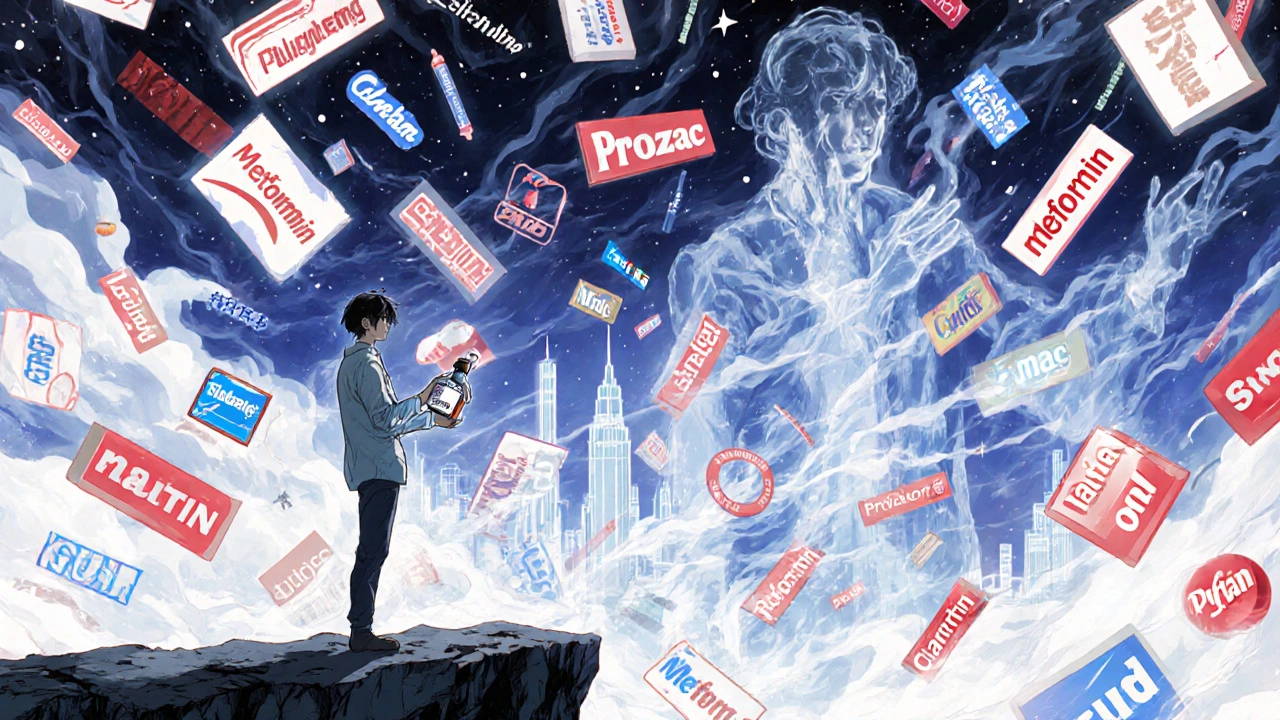
But here’s the real issue: brand names can sound too similar to generic names. Take Claritin (brand) vs. loratadine (generic). Or Prozac (brand) vs. fluoxetine (generic). That’s intentional - but it can confuse patients. Someone might ask for “Prozac” when they need “fluoxetine,” not realizing they’re the same thing.
Regulators try to prevent this. The FDA and WHO screen brand names for potential confusion with generic names. But mistakes happen. A 2023 study found over 200 cases of medication errors linked to similar-sounding brand and generic names.
What Happens When the System Fails
Medication errors from confusing names cost the U.S. healthcare system an estimated $2.4 billion every year. That’s not just money. It’s hospital stays, ER visits, and sometimes deaths.
One well-documented case involved a patient given “ciprofloxacin” instead of “ciprofloxacin” - a typo that looked identical on paper. Another involved a nurse confusing “dexamethasone” with “dexchlorpheniramine” because both started with “dex-.” The “dex-” prefix means the drug is a specific form of a molecule - but in this case, the similarity led to a dangerous mix-up.
Even small differences matter. “Amitriptyline” vs. “amitriptylamine.” “Hydroxyzine” vs. “hydroxychloroquine.” One letter. One syllable. One mistake.
That’s why the USAN and INN systems are so strict. They don’t just pick names. They test them. They run them through phonetic software. They have teams of linguists and pharmacists review every option. They even test how names sound when spoken over a bad phone line or in a noisy hospital.
The Future of Drug Naming: New Drugs, New Challenges
The current system was built for pills and injections. But today’s medicines are getting more complex. Antibody-drug conjugates. Gene therapies. mRNA vaccines. RNA interference drugs. These don’t fit neatly into “-mab” or “-prazole.”
WHO updated its monoclonal antibody naming rules in 2021 to handle newer formats. USAN is working on similar updates. But there’s no clear blueprint yet for naming a therapy that edits a patient’s DNA.
Some experts worry the stem system is becoming outdated. A 2022 study in the Journal of Clinical Pharmacology argued that as drugs get more targeted, the old classification system doesn’t reflect their true mechanism. Should a drug that targets a rare cancer mutation get a new stem? Or should it just be lumped under “-mab”?
For now, the system holds. But pressure is building. With biologics making up 42% of global drug sales - over $380 billion in 2023 - naming has never been more important.
What You Need to Know as a Patient
You don’t need to memorize stems. But you should know this:
- Generic names are the same no matter who makes the drug. If your prescription says “metformin,” it’s the same whether it’s made by a big company or a generic maker.
- Brand names are just labels. They cost more - but they’re not better.
- If you’re traveling abroad, check if your drug has a different name. Ask your pharmacist for the generic name.
- Always double-check the spelling of your prescription - especially if it’s long or unfamiliar.
- Don’t assume a brand name is the only way to get your medicine. Generics are safe, effective, and cheaper.
The naming system isn’t perfect. But it’s one of the quietest, most effective safety nets in modern medicine. It’s not flashy. It doesn’t make headlines. But every time you take a pill and don’t have a bad reaction - that’s because someone spent two years making sure that name was just right.
What’s the difference between a generic name and a brand name for a drug?
The generic name (like metformin or atorvastatin) is the official scientific name assigned by USAN or INN. It’s the same no matter who makes the drug. The brand name (like Glucophage or Lipitor) is a trademarked name chosen by the company that first developed it. Brand names are used for marketing. Generic names are used for safety and accuracy in prescribing.
Why do some drugs have different names in the U.S. versus other countries?
The U.S. uses USAN names, while most other countries use INN names. While they usually match, a few differences exist due to historical usage. For example, acetaminophen is used in the U.S., but paracetamol is used in Europe and Australia. These differences can cause confusion, especially for travelers or international prescriptions, but they’re rare - and regulators are working to reduce them.
How are drug names chosen? Is it random?
No, it’s not random. Drug companies submit up to six name options to USAN and INN. Each name is checked against thousands of existing names to avoid confusion. The name must include a stem that shows the drug’s class (like -prazole for acid reducers) and a unique prefix. Experts review pronunciation, spelling, and similarity to other drugs. The process takes 18-24 months and often involves dozens of rejected names before one is approved.
What do the endings like -mab or -prazole mean in drug names?
Those endings are called stems - they tell you the drug’s class or how it works. For example, -mab means it’s a monoclonal antibody. -prazole means it’s a proton pump inhibitor used for stomach acid. -statin means it lowers cholesterol. -virdine means it’s an HIV drug. These stems help doctors quickly identify what a drug does, even if they’ve never seen it before.
Why do generic drugs cost less than brand-name drugs?
Generic drugs cost less because they don’t require the same expensive research, development, and marketing as brand-name drugs. Once a brand-name drug’s patent expires, other companies can make the same active ingredient using the same generic name. They don’t need to repeat clinical trials - just prove their version works the same way. That competition drives prices down.
Stephen Adeyanju
November 27, 2025 AT 02:26Ali Miller
November 27, 2025 AT 21:07JAY OKE
November 29, 2025 AT 04:04Amanda Wong
November 29, 2025 AT 11:10james thomas
November 29, 2025 AT 16:09Deborah Williams
November 30, 2025 AT 21:36Kaushik Das
December 2, 2025 AT 09:02Asia Roveda
December 2, 2025 AT 10:16mohit passi
December 3, 2025 AT 12:18Cynthia Springer
December 4, 2025 AT 01:06Brittany Medley
December 5, 2025 AT 16:42Marissa Coratti
December 7, 2025 AT 15:55Rachel Whip
December 8, 2025 AT 13:04