
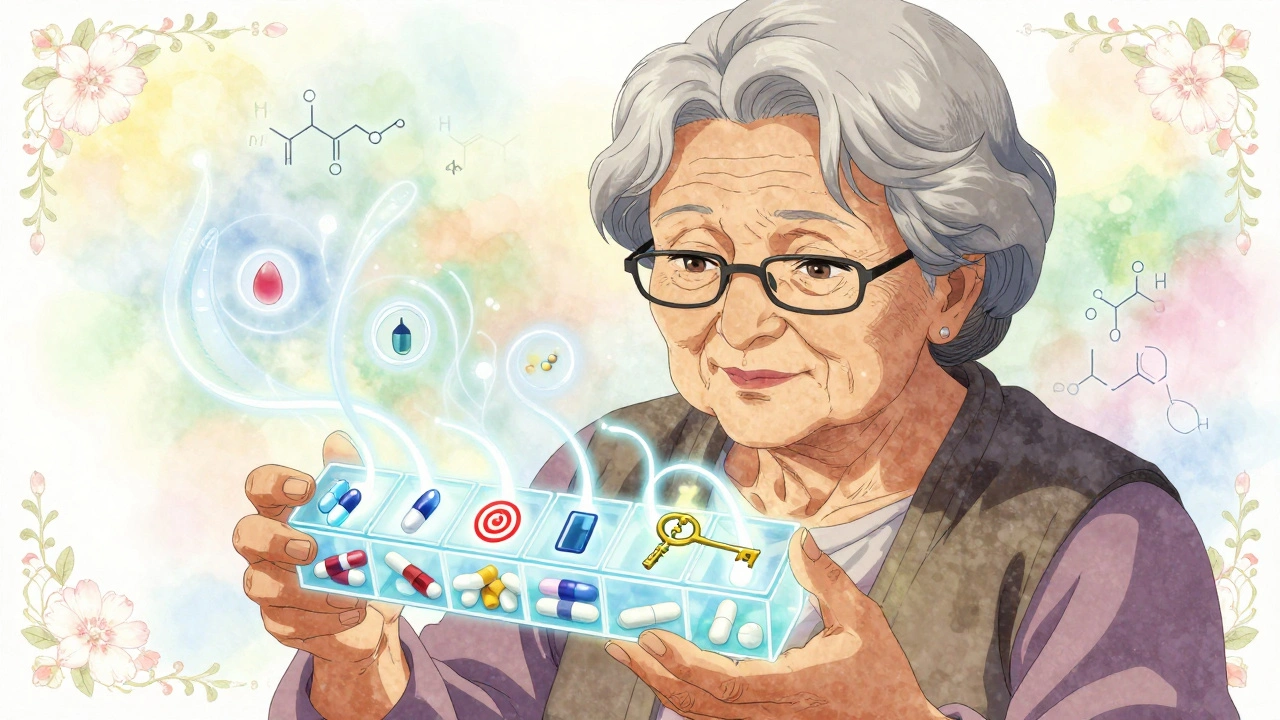
When you take multiple medications - especially generics - the risk of dangerous interactions goes up fast. It’s not just about mixing pills. It’s about how your body reacts when two or more drugs meet inside you. A common blood pressure pill might cancel out the effect of a generic cholesterol drug. A simple antacid could make your thyroid medication useless. And if you’re over 65, the average person takes nearly five prescriptions. That’s a lot of chances for something to go wrong.
Why Generic Drugs Are Different Than You Think
Many people assume generic drugs are exact copies of brand names. They’re not. They contain the same active ingredient, yes - but fillers, coatings, and release mechanisms can vary. That’s enough to change how quickly a drug enters your bloodstream. One generic version of metformin might hit your system in 30 minutes. Another could take two hours. That timing difference can trigger an interaction with another drug you’re taking, even if both are labeled "generic." These subtle differences are why checking for interactions isn’t just about matching drug names. You need to know the exact formulation, dosage, and how it behaves in your body. That’s where digital tools come in - not as magic fixers, but as essential safety nets.What Digital Drug Interaction Tools Actually Do
These aren’t fancy apps with animations. They’re clinical decision engines built on massive databases of drug behavior. When you type in your meds - brand, generic, or even over-the-counter supplements - the tool cross-references every known interaction. It doesn’t just say "possible interaction." It tells you:- How serious it is (minor, moderate, severe)
- What’s happening in your body (e.g., one drug blocks liver enzymes that break down another)
- What symptoms to watch for
- Whether you need a dose change or alternative
The Top Tools Used by Doctors and Pharmacists
Not all apps are created equal. Here’s what the pros actually use:- Epocrates: The most popular mobile app for outpatient care. Lets you check up to 30 drugs at once - including OTC and supplements. Free version works well for most people. Used by 76% of U.S. outpatient providers.
- Micromedex: The enterprise standard in hospitals. Used by 89% of U.S. hospitals. Handles complex IV combinations, drug comparisons, and over 700 clinical calculators. Requires training but saves lives in critical care.
- DrugBank: Great for deep research. Has detailed mechanisms of interaction. Free version is limited; full access needs a subscription. Popular with researchers and pharmacists.
- DDInter: A free, open-source tool from China. Lets you check five drugs at a time with full mechanism details. No registration. Useful if you’re on a budget and want technical depth.
- UpToDate Lexidrug: Only one of two tools that includes overdose treatment guidance. Critical for ER use. Checks up to 50 drugs. Integrated into major EHR systems.
- mobilePDR: Official app from Prescriber’s Digital Reference. Updates within a week of manufacturer changes. Clean interface but lacks supplement checks.
Epocrates wins for speed and ease. Micromedex wins for depth and integration. DDInter wins for free access and transparency. You don’t need all of them - but you should pick one that fits your situation.
False Alarms and Missed Dangers - The Hidden Flaws
These tools are powerful, but they’re not perfect. In fact, they’re often wrong. A 2023 study in JAMA Internal Medicine found that clinicians ignore 49% to 96% of interaction alerts. Why? Too many false positives. A tool might flag a combination as "moderate risk" when the real danger is zero. After seeing 20 useless warnings in a row, doctors stop paying attention. That’s called alert fatigue - and it’s deadly. Worse, some tools miss real dangers. One study found false negative rates between 8% and 32%, depending on the drug class. That means one in five dangerous interactions might slip through. No single tool has every interaction in its database. The University of Arizona identifies over 1,500 new drug interactions every year. Tools are always playing catch-up. That’s why these tools should never replace clinical judgment. They’re assistants - not replacements. Always double-check with a pharmacist if you’re unsure.How to Use These Tools Without Getting Overwhelmed
If you’re using one of these tools yourself - whether you’re a patient or a caregiver - here’s how to make it work:- Start with your full list. Include every pill, patch, vitamin, herb, and supplement. Don’t skip the melatonin or the fish oil.
- Use the free version first. Epocrates and DDInter give you enough to stay safe without paying.
- Check for severity filters. Turn off "minor" alerts. Focus only on moderate and severe.
- Look for the mechanism. Don’t just read "interaction possible." Read why. If one drug stops another from being absorbed, that’s different than one increasing toxicity.
- Take screenshots. Save the results. Bring them to your next appointment. Pharmacists love it when patients come prepared.
- Update regularly. New interactions pop up constantly. Recheck every time you get a new prescription.
Pro tip: If you’re on Medicare or have a pharmacy benefit manager, ask if they offer free access to Micromedex or Epocrates through your plan. Many do.
What’s Changing in 2025
The field is evolving fast. Merative bought a startup called InteracDx in late 2023 to make Micromedex smarter - aiming to cut false positives by 35%. DDInter’s new version uses machine learning to predict interactions that haven’t even been documented yet. The FDA now lists improved interaction-checking algorithms as a top digital health priority. Soon, tools won’t just warn you - they’ll suggest alternatives. Instead of saying "avoid this combo," they might say: "Try generic A instead of generic B - same effect, no interaction." That’s the future. And it’s already starting.Bottom Line: Don’t Guess. Check.
Taking multiple generic drugs isn’t risky because they’re cheap. It’s risky because they’re complicated. The same active ingredient in two different bottles can behave differently. And without a digital tool to map those risks, you’re flying blind. You don’t need to be a pharmacist to use these tools. You just need to be careful. Use Epocrates if you’re managing your own meds. Use Micromedex if you’re in a hospital or care for someone who is. Use DDInter if you want free, transparent data. Just don’t skip it. Your life isn’t a gamble. These tools exist because too many people have already lost theirs to preventable interactions. Use one. Before your next refill.Can I trust generic drug interaction checkers?
Yes - but not blindly. Digital tools are reliable for flagging known, well-documented interactions. However, they can miss new or rare combinations, and they often generate false alerts. Always use them as a second opinion, not a final answer. Talk to your pharmacist or doctor if you’re unsure.
Are free drug interaction tools good enough?
For most people, yes. Epocrates and DDInter offer robust free versions that cover the most common and dangerous interactions. You don’t need to pay unless you’re in a hospital setting, managing complex IV therapies, or need access to over 2,500 drug monographs. For personal use, free tools are sufficient and often better than nothing.
Do these tools check herbal supplements and vitamins?
Some do, some don’t. Epocrates and Micromedex include herbal and supplement data - including St. John’s Wort, ginkgo, and high-dose vitamin K. DrugBank and DDInter have limited supplement coverage. mobilePDR barely covers them. If you take supplements, use Epocrates or Micromedex. Don’t assume your OTC pills are safe just because they’re "natural."
Why does my doctor say I don’t need a drug checker?
Some doctors rely on their EHR system, which may already have a built-in checker (like Micromedex). Others assume they remember all interactions - which is risky. The average patient takes 4.8 medications, and human memory fails under pressure. Ask your doctor which tool they use. If they don’t use one, suggest Epocrates or DDInter. It’s your safety.
Can these tools help with over-the-counter painkillers?
Absolutely. NSAIDs like ibuprofen can raise blood pressure and interfere with kidney function - especially when taken with diuretics or ACE inhibitors. Acetaminophen can damage the liver if combined with alcohol or certain antidepressants. Many people don’t realize OTC drugs are part of their drug profile. Always include them in your check.
How often should I recheck my medications?
Every time you get a new prescription, stop a medication, or start a new supplement. Even small changes matter. Also recheck every six months. New interactions are discovered constantly - over 1,500 per year. What was safe last year might not be today.
Do digital tools work for elderly patients with memory issues?
Yes - and they’re especially important. Seniors are at highest risk for interactions. Use Epocrates on a tablet or phone and set up a family member as a co-user. Print out the interaction report and keep it with the meds. Many pharmacies now offer printed interaction summaries upon request - ask for one.
Is there a way to check all my meds at once without typing each one?
Some EHR systems let you import your full medication list directly. For personal use, apps like Epocrates don’t support bulk uploads yet. But you can take a photo of your pill organizer or prescription bottle list and type them in one by one. It takes five minutes - and could prevent a hospital visit.
Jackie Petersen
December 6, 2025 AT 05:21Annie Gardiner
December 6, 2025 AT 19:23Kenny Pakade
December 7, 2025 AT 21:51Katie O'Connell
December 9, 2025 AT 13:55Clare Fox
December 9, 2025 AT 15:34Akash Takyar
December 9, 2025 AT 16:56Arjun Deva
December 11, 2025 AT 10:32Inna Borovik
December 12, 2025 AT 14:27Nava Jothy
December 13, 2025 AT 04:18Dan Cole
December 14, 2025 AT 06:24Rashmi Gupta
December 15, 2025 AT 22:14Mayur Panchamia
December 16, 2025 AT 11:56Geraldine Trainer-Cooper
December 17, 2025 AT 07:00Myles White
December 17, 2025 AT 21:49