

FDA Product Safety Checker
Check if your product has an FDA safety alert or recall. Enter your product name or brand to see if it's been identified in recent FDA warnings. Note: This tool checks against examples from the article only. For official verification, always check the FDA's website at fda.gov/safety/alerts.
Common Products with Recent FDA Alerts
- Glucose monitors: False low readings risk (October 2025)
- Supplements containing tadalafil: Vitafer-L Gold Liquid (February 2025)
- Supplements containing sildenafil: Vitality Capsules (March 2025)
- Supplements with undeclared steroids: Zaarah Herbals Rasayan Churan (March 2025)
- Medical devices: Specific glucose monitors with failure risks
- Food products: Black Sheep Egg Company eggs (September 2025)
- Food products: Kenz Henz eggs (September 2025)
Note: This list includes examples from the article only. Check official FDA alerts for the latest information.
The FDA doesn’t wait for disasters to happen. When something dangerous slips through the cracks-whether it’s a heart device that fails, a supplement laced with erectile dysfunction drugs, or eggs contaminated with Salmonella-the agency moves fast. In 2025, those moves got even faster. New rules, sharper warnings, and more aggressive enforcement mean the FDA’s safety alerts are now more urgent, more frequent, and harder to ignore than ever before.
Medical Devices: Alerts Now Come Before the Recall
Starting September 29, 2025, the FDA changed how it handles medical device risks. Before, if a pacemaker, insulin pump, or hip implant showed signs of failure, the agency would wait until a full recall was ready to announce it. Now, if the FDA learns a device could cause serious injury or death, it issues an Early Alert Communication within hours. This isn’t a recall-it’s a heads-up.
Why does this matter? Hospitals and clinics can start pulling devices off shelves before the official recall paperwork is done. Surgeons can switch to safer alternatives. Patients already using the device can be contacted immediately. The goal is to cut the time between discovery and action from days to hours. The FDA says this change was driven by rising Class I recalls-the most serious type-up 15% in 2024 compared to 2023. One example: an October 2025 alert about a specific model of glucose monitor giving false low readings, which could lead to dangerous insulin overdoses. By the time the recall was filed, hundreds of providers had already switched devices.
Drugs: The GLP-1 Compounding Crackdown
Weight-loss drugs like semaglutide (Ozempic, Wegovy) are in high demand. But the FDA didn’t just approve them-they’re now cracking down on the unregulated labs making knockoffs. In September 2025, the agency sent over 50 warning letters to companies compounding semaglutide without approval. These labs often skip purity tests, use unapproved ingredients, or mislabel doses. Some batches contained too much active drug. Others had no drug at all. A few even had traces of heavy metals.
The FDA didn’t just issue warnings. They told these companies to stop immediately or face legal action. This was the largest enforcement action against compounded drugs in history. It’s a signal: if you’re making these drugs in a garage lab and selling them online, you’re not just breaking the law-you’re risking lives. The agency also updated labeling for mRNA COVID-19 vaccines in June 2025, adding a clearer warning about rare cases of myocarditis and pericarditis, especially in young men. That update didn’t scare people away-it helped doctors and patients make smarter choices.
Dietary Supplements: The Hidden Pills in Your Herbal Powder
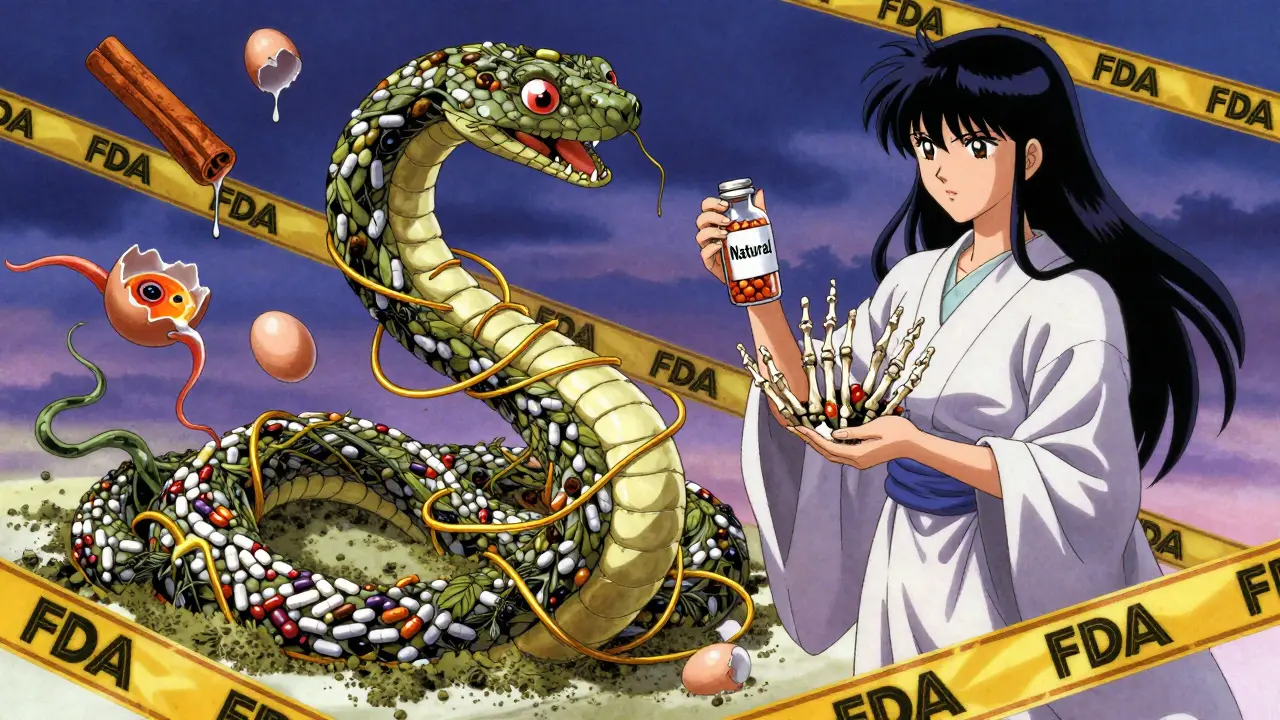
It sounds like a scam, but it’s real. Many herbal supplements sold as “natural” or “ancient remedy” contain hidden pharmaceuticals. In March 2025, the FDA recalled Zaarah Herbals Rasayan Churan, Gurmar Powder, Vasaka Powder, and Bhringraj Powder after testing found undeclared steroids and diabetes drugs. In February, Natural Dior LLC pulled Vitafer-L Gold Liquid because it had tadalafil-the same active ingredient in Cialis. One Source Nutrition’s Vitality Capsules were pulled in March for containing sildenafil (Viagra) and tadalafil.
These aren’t accidental mistakes. They’re deliberate. The companies know these drugs work. They know people want quick results. And they know the FDA can’t test every supplement on the shelf. But the agency is catching more. In 2025 alone, there were 12 major recalls of supplements with hidden drugs-more than any year before. The FDA now uses advanced screening tools to detect these compounds faster. And they’re working with the FTC to shut down websites selling them. If you buy a “natural weight loss” or “male enhancement” supplement, assume it’s risky until proven otherwise.
Food Safety: Lead, Eggs, and the Cinnamon That Wasn’t Just Spices
Food recalls used to mean spoiled milk or contaminated lettuce. Now, they include things like cookware that leaches lead and cinnamon with elevated levels of the metal. In August 2025, the FDA warned against using imported ceramic cookware from certain Asian manufacturers. Testing showed lead could seep into food during cooking. One family in Ohio ended up with elevated lead levels in their children after using a $30 set bought online.
Then there’s the egg recall. In September 2025, Black Sheep Egg Company pulled millions of eggs after Salmonella was found in multiple batches. The same month, Kenz Henz recalled Grade AA Large Pasture Raised Eggs for the same reason. These weren’t farm-scale issues-they were large-scale distribution problems. The FDA traced the contamination back to a single feed supplier. The agency also kept pushing its July 2024 alert about lead in ground cinnamon. By 2025, hundreds of consumers had posted test results on Reddit showing their cinnamon had lead levels 10 times higher than the FDA limit. Some bought it for tea. Others used it in baking. The FDA didn’t stop there-they added more brands to the alert list every month.
What’s Changing for You?
You don’t need to be a doctor or a pharmacist to use these alerts. Here’s what you can do right now:
- Sign up for FDA email alerts at fda.gov/safety/alerts. You can choose by category: drugs, devices, food, or supplements.
- Check your medicine bottles. If you’re taking a supplement labeled “natural” or “herbal,” look up the brand on the FDA’s recall page. Many contain hidden drugs.
- Don’t assume “FDA-approved” means safe. Only prescription drugs and vaccines go through full approval. Most supplements, cookware, and compounded drugs do not.
- If you’re on a medical device like a pump or monitor, check the manufacturer’s website for recall notices. The FDA doesn’t always notify patients directly.
- When you hear about a recall, don’t just throw the product away. Follow the FDA’s instructions. Some items need to be returned. Others need to be disposed of safely.
Consumer Reports found that only 42% of people regularly check for recalls. But among seniors, that number jumps to 68% after high-profile events like the May 2025 pause on the Ixchiq chikungunya vaccine for people 60+. Why? Because they’ve seen what happens when they ignore the warnings.
Why Some Alerts Get Ignored
There’s a problem called “alert fatigue.” Clinicians get so many safety notices-some daily-that they start skipping them. A 2025 study in JAMA Internal Medicine found that 35% of doctors and nurses ignore routine FDA alerts. That’s dangerous. One nurse in Texas missed a device alert because it got buried under 12 other emails. The device failed two weeks later, and the patient needed emergency surgery.
The FDA is trying to fix this. They’re testing new systems that send targeted alerts only to specialists. If you’re a cardiologist, you’ll get alerts about heart devices-not about egg recalls. If you’re a pharmacist, you’ll get drug alerts, not cookware warnings. They’re also working with hospitals to build automated systems that flag high-risk alerts and pause prescriptions automatically.
What’s Next?
The FDA is testing blockchain tracking for high-risk products. Imagine if every bottle of semaglutide, every batch of eggs, and every insulin pump had a digital trail from factory to patient. That’s the goal. Pilot programs started in Q2 2025. If they work, recalls will be faster, more precise, and less disruptive.
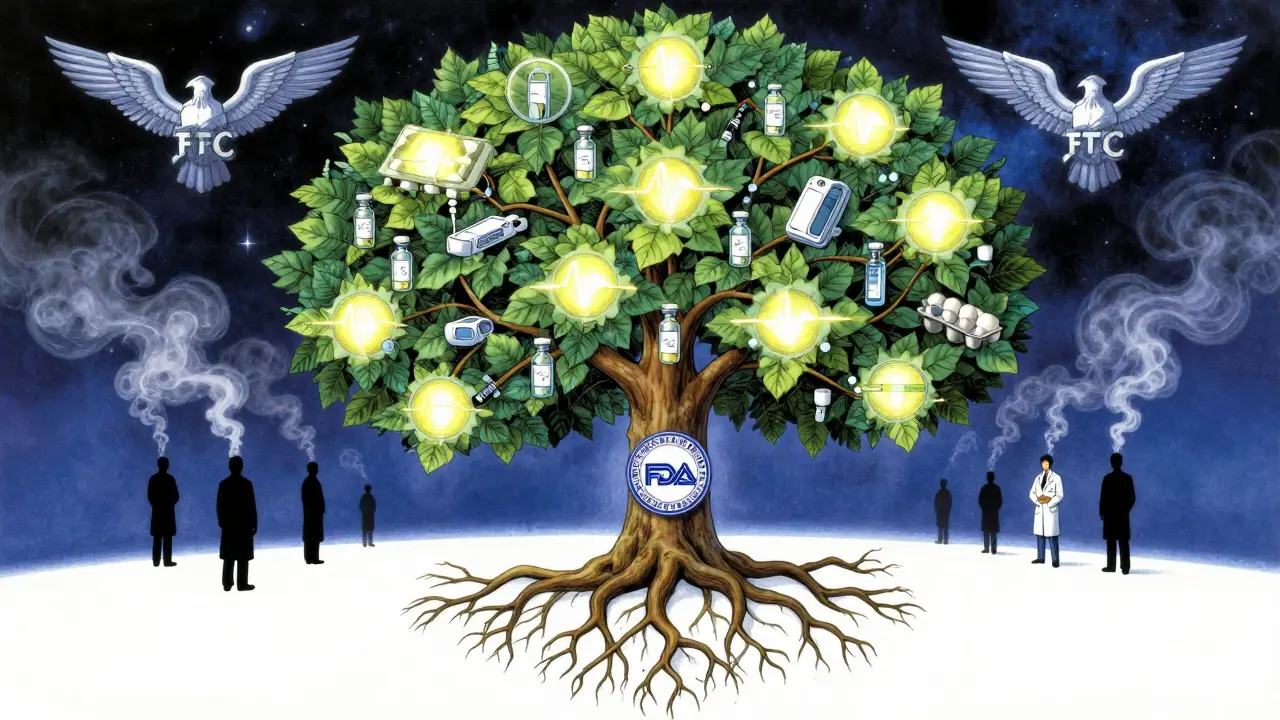
Also expect more collaboration with the FTC. The two agencies are now sharing data on deceptive marketing. If a company sells a “miracle weight loss” pill with hidden drugs, the FTC will go after the ads, and the FDA will go after the product. It’s a one-two punch.
The bottom line? The FDA isn’t just reacting anymore. They’re predicting, preventing, and acting faster than ever. But they can’t do it alone. You need to stay informed. Check the alerts. Ask questions. Don’t assume something is safe just because it’s on a shelf. Your health depends on it.
How often does the FDA issue safety alerts?
The FDA issues dozens of safety alerts every month. In 2024, they released 178 food safety alerts, over 120 drug safety communications, and more than 90 medical device alerts. By 2025, that number is growing, especially in supplements and compounded drugs. You can sign up for daily or weekly email updates to stay current.
Are all FDA alerts recalls?
No. Some alerts are warnings that don’t require a recall. For example, the FDA might issue an alert saying a medical device has a higher-than-normal failure rate, but the manufacturer hasn’t yet pulled it from the market. Other alerts tell you not to use a product at all, even if it’s not officially recalled yet. Always read the full alert-don’t assume “alert” means “recall.”
Can I trust supplements labeled “natural” or “herbal”?
No. The FDA does not approve dietary supplements before they’re sold. Many contain hidden drugs like sildenafil, tadalafil, or steroids. In 2025 alone, 12 major recalls involved supplements with undeclared pharmaceuticals. If it promises quick results-weight loss, muscle gain, or sexual performance-it’s likely unsafe. Always check the FDA’s recall list before buying.
What should I do if I think I’ve been affected by a recalled product?
Stop using the product immediately. Then, contact your doctor or healthcare provider, especially if you’ve had any unusual symptoms. For drugs or devices, report the issue to MedWatch, the FDA’s safety reporting system. For food or supplements, report it through the FDA’s online portal. Even if you’re not sick, your report helps the agency track patterns and prevent future harm.
Why do some recalls take so long to be announced?
Some delays happen because the FDA needs to confirm the problem, trace the source, and coordinate with manufacturers. But since September 2025, medical device alerts are no longer delayed. For drugs and food, delays still occur-especially when contamination is hard to trace. The FDA is improving with better lab tech and blockchain tracking, but it’s not perfect. That’s why checking alerts regularly is your best defense.
John O'Brien
January 27, 2026 AT 23:30Bro the FDA is finally acting like a real agency instead of a paper pusher. That glucose monitor alert saved lives. I work in ER and we had two cases last month where patients almost died from false readings. They didn’t even know their pump was flagged. Now we check the FDA site before we even touch new devices. No more guessing.
Paul Taylor
January 28, 2026 AT 15:59Its funny how people freak out about supplements but ignore the real danger like lead in ceramic cookware that gets shipped from overseas and sold as artisanal on Etsy. I bought a set last year for my wife and she used it for everything until I read the alert. We threw them out and switched to stainless. No more nightmares about heavy metals in oatmeal. The FDA isn’t perfect but they’re trying to catch up with the internet age where anyone can sell anything and call it natural
Desaundrea Morton-Pusey
January 29, 2026 AT 16:54So now the government is telling us what to buy and what not to eat and what meds are safe and what’s a scam. Next they’ll ban coffee because it has caffeine. This is fascism with a lab coat. They’re not protecting us they’re controlling us. And don’t get me started on the blockchain thing - that’s just a fancy way to track us.
Murphy Game
January 31, 2026 AT 10:48They’re lying. All of it. The FDA’s been in bed with Big Pharma since day one. Those GLP-1 warnings? They’re just trying to scare people away from cheap generics so the big boys can keep charging $1200 a shot. And the lead in cinnamon? Total distraction. They knew about it for years. They just waited until the market for ‘natural weight loss’ was huge enough to crush the small sellers. This isn’t safety. It’s corporate cleanup.
Kegan Powell
February 1, 2026 AT 05:14Man I just want to say thank you to the FDA folks working the night shift reading reports and chasing down dodgy labs. I’ve got a cousin on insulin pumps and we used to panic every time there was a new model. Now we just check the alert page every Sunday morning like it’s church. It’s not perfect but it’s the best we got. And yeah I use emojis 🙏❤️ because this stuff matters. Your life is worth the 2 minutes it takes to sign up for emails
April Williams
February 2, 2026 AT 20:41Anyone else notice how these ‘natural’ supplements always come from companies with names like ‘Zen Vitality’ or ‘Ancient Wisdom Labs’? Like wow so exotic and pure right? Meanwhile the label doesn’t even list ingredients. My neighbor took one for ‘energy’ and ended up in the hospital with a heart attack. They should shut down all of them and make people pay for real medicine. No more free passes for snake oil.
Harry Henderson
February 3, 2026 AT 03:28STOP SCROLLING AND DO SOMETHING. Sign up for alerts right now. Don’t wait until your kid eats lead-laced cinnamon toast. Don’t wait until your dad’s pacemaker fails because no one checked. This isn’t a suggestion. This is your life. Go to fda.gov/safety/alerts. Do it. I’ll wait.
suhail ahmed
February 3, 2026 AT 21:36As someone from India where herbal powders are sold on every street corner I’ve seen this play out for years. People trust ‘traditional’ remedies more than science. But the FDA’s move to catch hidden drugs in supplements? That’s genius. We need this everywhere. The real villain isn’t the FDA - it’s the greed of people who sell poison as prayer. Let’s hope other countries follow. The world needs more vigilance not more vibes
Candice Hartley
February 4, 2026 AT 10:29Just checked my cinnamon. Thank you for this. 😢
astrid cook
February 5, 2026 AT 11:07Wow. So now we’re supposed to trust a government agency that approved Vioxx and OxyContin? You really think they’ve changed? This is just PR. They’re still letting Big Pharma write the rules. You’re being manipulated. Wake up.