
Every winter, millions of Americans reach for OTC cough and cold medicines without thinking twice. But what if the stuff in your medicine cabinet isn’t doing what it claims? In 2023, the FDA made a shocking move: they proposed removing phenylephrine from the list of approved OTC decongestants. Why? Because after decades on the shelf, science finally caught up - and it turns out, the most common decongestant in products like DayQuil, Sudafed PE, and Robitussin doesn’t work at all at the doses you’re taking.
What’s Actually in Your Medicine Bottle?
Most OTC cold medicines are a mix of four main ingredients: decongestants, cough suppressants, expectorants, and antihistamines. Let’s break them down with real numbers.
- Phenylephrine (10mg per dose): Found in over 100 products. Marketed as a nasal decongestant. But a 2007 meta-analysis showed it’s no better than a placebo at relieving congestion. Even at 25mg - twice the dose you can buy - it only reduced congestion by 27.6%, and patients didn’t feel better.
- Dextromethorphan (15-30mg): A cough suppressant. Studies show it works slightly better than placebo in adults, but not well enough to justify use in kids. In children under 6, it’s been linked to drowsiness, dizziness, and even hallucinations at higher doses.
- Guaifenesin (200-400mg): An expectorant meant to thin mucus. There’s zero high-quality evidence it helps with cough or congestion. It’s mostly there to make you feel like you’re doing something.
- Pseudoephedrine (30-60mg): The real decongestant. It works. But you can’t buy it off the shelf in most states - you need to show ID and ask the pharmacist. That’s because it’s used to make methamphetamine. Still, it’s the only oral decongestant that actually delivers.
Here’s the kicker: many products combine these ingredients. So if you take DayQuil for a cough, NyQuil for sleep, and a store-brand cold tablet for congestion - you’re doubling up on dextromethorphan or phenylephrine. The FDA warns that accidental overdose is one of the most common reasons kids end up in the ER.
Why Kids Are at Higher Risk
Between 2000 and 2007, 20 children in the U.S. died after ingesting OTC cold medicine. Thirteen of them were under two years old. The American Academy of Pediatrics has said since 2008: Don’t give OTC cough and cold medicine to children under 6. That hasn’t stopped parents - but it should.
Children’s bodies process drugs differently. A teaspoon too much can cause seizures, rapid heart rate, or even coma. And since these medicines don’t shorten illness - they only pretend to relieve symptoms - you’re exposing your kid to risk with zero benefit.
What works instead? Simple stuff:
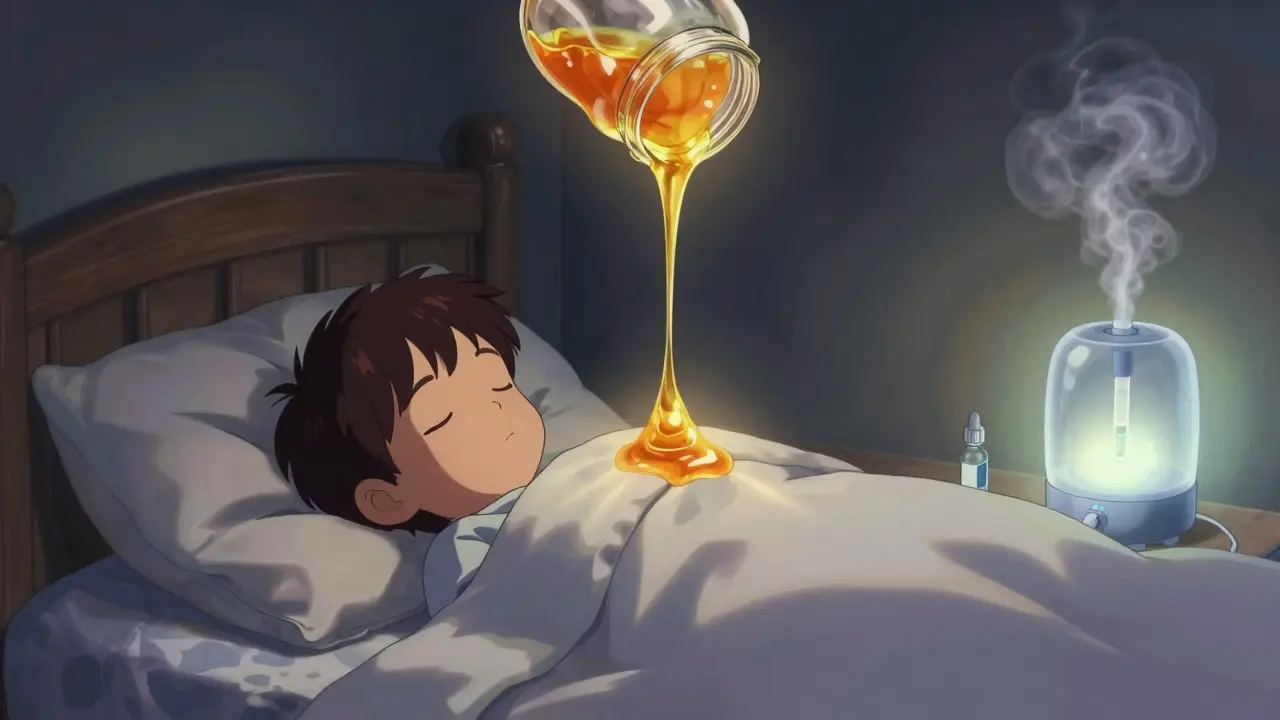
- Honey (2.5mL or half a teaspoon before bed): A 2023 study from the American Medical Association found honey was as effective as dextromethorphan at reducing nighttime cough in kids over 12 months. And it’s safe, cheap, and already in your kitchen.
- Saline nose drops + bulb syringe: Clears nasal congestion without drugs. Works better than any spray for babies.
- Humidifier: Moist air loosens mucus. Run one in the bedroom overnight.
- Fluids: Water, broth, or warm tea keeps mucus thin and helps the body fight infection.

Adults Aren’t Off the Hook
Just because you’re older doesn’t mean OTC cold meds are safe. Phenylephrine might not work, but it can still raise your blood pressure. If you have high blood pressure, heart disease, or take antidepressants like SSRIs or MAOIs, even a single dose can be dangerous.
And here’s something most people don’t realize: many OTC pain relievers like Tylenol and Advil are often mixed into cold formulas. Taking Extra Strength Tylenol for a headache while also taking a cold tablet? You’re hitting 1,000mg of acetaminophen twice - and the safe daily limit is 3,000mg. Too much can cause liver failure.
One 2022 study tracked 500 adults who used OTC cold medicine. Of those, 38% took more than one product. Of those, 22% accidentally doubled up on acetaminophen. 14% didn’t realize their cold medicine contained an antihistamine - and ended up drowsy behind the wheel.

What’s Changing in 2025?
The FDA’s proposed removal of oral phenylephrine isn’t just a rumor - it’s moving fast. If finalized (expected by late 2024), manufacturers have until Q3 2025 to reformulate. That means:
- DayQuil, Sudafed PE, and similar products will either drop phenylephrine or switch to pseudoephedrine (which requires ID).
- Labels will change. You’ll see "New Formula" on shelves.
- Some products may disappear entirely.
Meanwhile, sales of nasal decongestant sprays (like oxymetazoline) are rising. They work faster and with fewer side effects because they act locally - not through your bloodstream. But don’t use them longer than 3 days. They can cause rebound congestion.
And honey? Sales of honey-based cough syrups jumped 17% in 2023. Brands like Manuka Health and Little Remedies now offer pediatric honey blends. Even CVS and Walgreens are dedicating shelf space to saline nasal sprays and humidifiers.
What Should You Do Now?
Here’s a simple checklist to follow - whether you’re 5 or 75:
- Read the Drug Facts label. Look for active ingredients. If it says "phenylephrine," skip it. Look for "pseudoephedrine" if you need real congestion relief - and ask the pharmacist.
- Never combine products. One cold medicine is enough. If you’re taking Tylenol or Advil separately, check that your cold medicine doesn’t already contain them.
- For kids under 6: Skip OTC meds. Use honey (if over 12 months), saline drops, and a humidifier.
- For adults: If you have high blood pressure, heart issues, or take antidepressants, avoid all OTC decongestants. Talk to a pharmacist before buying anything.
- When in doubt: Skip the medicine. Rest, fluids, and time are still the best treatments for colds.
The truth is, colds are viruses. No pill can cure them. The best OTC medicine isn’t in a bottle - it’s in your kitchen, your bathroom, and your bed.
Is phenylephrine dangerous?
Phenylephrine isn’t dangerous at the doses used - but it doesn’t work. The FDA says it’s ineffective as a nasal decongestant. It won’t kill you, but it will waste your money. If you have high blood pressure, it can still raise your pressure slightly. The real risk is taking it thinking it’s helping when it’s not.
Can I give my child OTC cough medicine?
No - not if they’re under 6. The FDA and American Academy of Pediatrics agree: these medicines don’t help kids get better, and they can cause serious side effects like seizures, fast heart rate, or even coma. For kids over 12 months, try 2.5mL (half a teaspoon) of honey before bed. It’s safer and just as effective.
What’s the best OTC cold medicine for adults?
There isn’t one. Most combinations are overkill. If you need congestion relief, get pseudoephedrine (ask the pharmacist). For cough, dextromethorphan might help slightly - but only if you’re sure you’re not doubling up. For sore throat or fever, use plain acetaminophen or ibuprofen. Skip the multi-symptom formulas.
Are nasal sprays better than pills?
Yes - for congestion. Nasal sprays like oxymetazoline (Afrin) work faster and have fewer side effects because they don’t enter your bloodstream. But don’t use them longer than 3 days. You can get rebound congestion. For long-term relief, try saline nasal sprays - they’re safe to use daily.
Why do pharmacies still sell these medicines if they don’t work?
Because they’ve been on the market for decades, and changing regulations takes time. The FDA didn’t require proof of effectiveness until recently. Manufacturers are now scrambling to reformulate. But until then, they’re still legally allowed to sell them. The market is worth $6.2 billion - and people keep buying them because they think they work. The science says otherwise.
Samantha Fierro
March 8, 2026 AT 22:56As someone who’s spent years in pediatric nursing, I can’t tell you how many parents I’ve seen panic because their toddler won’t stop coughing - then hand them a bottle of DayQuil like it’s magic. The truth? It’s not magic. It’s marketing. Honey works. Saline drops work. Humidifiers work. And yet, we keep buying chemical cocktails because we want to feel like we’re doing something. We’re not protecting our kids - we’re just feeding Big Pharma’s bottom line.
Jazminn Jones
March 10, 2026 AT 00:50One must question the epistemological foundation of public health policy when regulatory agencies permit the continued commercialization of pharmacologically inert substances under the guise of therapeutic efficacy. The phenylephrine debacle is not merely a failure of clinical science - it is a systemic indictment of the commodification of medical ignorance. The FDA’s delayed action reveals a disturbing deference to corporate lobbying over evidence-based governance.
Stephen Rudd
March 11, 2026 AT 13:14So let me get this straight - you’re telling me that every single cold medicine I’ve ever bought was a scam? And now you want me to rub honey on my kid’s tongue like some kind of witch doctor? What’s next? Chanting over the baby while burning sage? This whole thing smells like a liberal health cult pushing naturopathic nonsense under the banner of "science."
Erica Santos
March 12, 2026 AT 09:30Oh wow. So the FDA finally caught up to what every pharmacist and pediatrician has known since 2007? That’s rich. Meanwhile, millions of people paid $15 for a bottle of sugar water labeled "decongestant" because they were told to. And now we’re supposed to be impressed? This isn’t science. This is corporate negligence dressed up as a public service announcement.
George Vou
March 12, 2026 AT 20:51you know what else dont work? vaccines. and 5g. and climate change. so if phenylephrine dont work, maybe its all part of the same scam. they just want us to buy more stuff. they dont care if you live or die. its all about the money. i read it on a forum. its true.
Scott Easterling
March 14, 2026 AT 04:28Okay, so… you’re saying we’ve been sold lies for decades? And now you’re gonna tell me to use HONEY? Like, from bees? That’s not medicine. That’s a breakfast topping. And what about the kids? You think a 2-year-old is gonna sit still while you drip saline into their nose? Get real. This is why America’s falling apart - people think science is about what feels good, not what works.
Mantooth Lehto
March 15, 2026 AT 10:58I’m crying right now. My 4-year-old had a cough last week and I gave him the pink stuff because I didn’t know better. I feel so guilty. I thought I was helping. Now I feel like I poisoned him. 😭 I just want my baby to be okay. Why didn’t someone tell me this sooner? I’m so scared.
Melba Miller
March 16, 2026 AT 06:34They’re coming for our medicine cabinet. First phenylephrine. Next, ibuprofen. Then acetaminophen. Then water. They want us weak. Dependent. Controlled. The FDA doesn’t care about your health - they care about control. You think they’re protecting kids? No. They’re protecting their power. Wake up. This isn’t science. It’s tyranny.
Katy Shamitz
March 17, 2026 AT 14:13Oh my gosh, this is so important! I’m so glad someone finally said it. I’ve been telling my friends for years that honey works better than those syrups. My niece had a cough and we tried the honey - and she slept through the night for the first time in weeks! It’s just so heartwarming to see science finally catch up to common sense. 💕 Let’s all spread the word - no more chemical cocktails for babies!
Nicholas Gama
March 19, 2026 AT 07:05Phenylephrine’s inefficacy is statistically trivial. The real issue is regulatory capture. The FDA’s delay was not incompetence - it was institutionalized corruption. Manufacturers paid to keep the label intact. This isn’t about health. It’s about profit. And the public? They’re just collateral damage.
Mary Beth Brook
March 21, 2026 AT 04:43The pharmacokinetic profile of phenylephrine is suboptimal for oral bioavailability. Its first-pass metabolism renders it therapeutically inert at OTC doses. The FDA’s action is long overdue. The market shift toward intranasal delivery systems reflects a rational response to pharmacodynamic reality. Evidence-based formulary redesign is inevitable.
Neeti Rustagi
March 21, 2026 AT 12:43Thank you for this comprehensive and scientifically grounded analysis. As a healthcare professional from India, I have observed similar patterns in my country - where OTC cold medications are aggressively marketed despite lacking clinical efficacy. The cultural preference for "quick fixes" over rest and hydration is universal. This article serves as a vital reminder that true healing requires patience, not pills.
Dan Mayer
March 23, 2026 AT 01:41Wait so you’re saying honey works better than medicine? That’s wild. I thought it was just for tea. And I thought pseudoephedrine was like, illegal? I just bought a bottle of DayQuil last week. I hope I didn’t hurt my kid. I’m gonna go check the label right now. 😬