
Withdrawal Symptoms: What They Are, Why They Happen, and How to Handle Them
When your body gets used to a medication and then suddenly doesn’t get it anymore, it reacts. That reaction is withdrawal symptoms, the physical and mental response your body has when it’s no longer receiving a substance it has adapted to. Also known as drug withdrawal, this isn’t just "feeling off"—it’s your nervous system recalibrating after being held in a new state for weeks or months. It doesn’t matter if the drug was prescribed, bought over the counter, or used recreationally. If your brain and body adjusted to its presence, stopping it can trigger a cascade of changes.
Some of the most common triggers are antidepressants, medications that change brain chemistry to improve mood. SSRIs and SNRIs are especially known for causing dizziness, brain zaps, insomnia, and flu-like feelings when stopped too fast. Then there’s benzodiazepines, drugs used for anxiety and sleep that slow down brain activity. Alprazolam, lorazepam, diazepam—stopping these suddenly can lead to seizures, panic attacks, or extreme agitation. And opioids, painkillers like oxycodone or hydrocodone that bind to brain receptors. Opioid withdrawal brings intense nausea, muscle aches, sweating, and restlessness—even though it’s rarely life-threatening, it’s one of the most uncomfortable experiences people report.
What ties these together isn’t the drug itself, but how your nervous system adapts. Your brain doesn’t just sit there and take it. It rewires itself to compensate. When you remove the drug, that rewiring is still in place—so your system goes into overdrive or crashes, depending on what kind of effect the drug had. That’s why tapering slowly works better than quitting cold turkey. It gives your brain time to readjust without screaming for help.
And it’s not just about stopping pills. Even supplements, sleep aids, or caffeine can cause mild withdrawal if you’ve been using them daily for a while. The key isn’t to avoid all meds—it’s to understand how your body responds to them, and when to ask for help. You don’t have to suffer through this alone. Many people get through withdrawal with simple timing tricks, lifestyle tweaks, and sometimes short-term medical support.
Below, you’ll find real, practical guides on how to manage withdrawal from antidepressants, benzodiazepines, and other common medications—without guesswork. These aren’t theory pieces. They’re written by people who’ve seen this happen, and they show you exactly what steps work, what doesn’t, and how to stay safe while your body finds its balance again.
27
Nov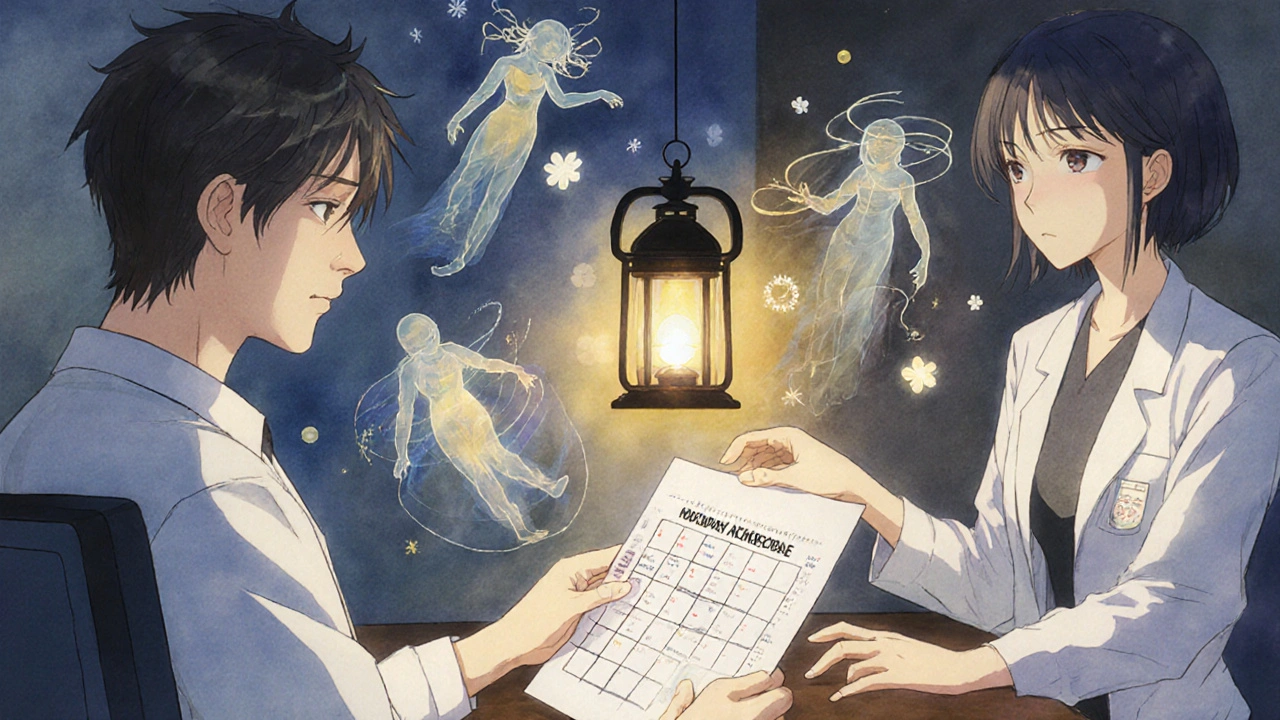
How to Talk About Stopping or Tapering a Medication Safely
Learn how to safely talk to your doctor about stopping or tapering medication. Understand withdrawal risks, personalized tapering plans, and how to advocate for a safe, step-by-step approach tailored to your needs.
READ MORE© 2026. All rights reserved.